

Rebuilding a nose after cancer, injury or infection — layer by layer, and honestly staged.
The nasal reconstruction service of Chongqing West District Hospital rebuilds noses lost to skin cancer excision, trauma, infection and congenital absence: forehead flap reconstruction, local and nasolabial flaps, full-thickness lining and support, cartilage and bone grafting, and airway restoration — planned stage by stage, backed by the full resources of a tertiary general hospital.
Airway first, staged planning, and an honest account of the scars, the months and the revisions that reconstruction involves.
- Evidence-based care
- Airway and function first
- Honest about stages and scars
- Tertiary-hospital safety net
Reconstruction that starts with the defect, not a technique
Whether the defect followed a skin cancer excision, a crush injury or an old infection, every nasal reconstruction follows the same three principles.
Assess & stage
Structured assessment of which layers are missing — lining, support and cover — what tissue remains, how the airway behaves, and what matters most to you. Most nasal defects are solved in planned stages over months, not in one operation.
Rebuild safely
Real reconstruction deserves real safety: hospital-grade anesthesia, imaging and laboratory workup, pathology on site, and intensive-care backup. A flap that fails at home is a flap that failed for want of monitoring.
Refine & follow up
Healing is staged and honest — grafts and flaps settle over weeks, scars mature over a year or more, and the airway can narrow as scar contracts. Final assessment is at six to twelve months, and further refinement is often part of the plan.
Dedicated specialists within a tertiary hospital
The leadership team of the Plastic Surgery & Aesthetics Medical Center brings together specialists in plastic and reconstructive surgery, aesthetic surgery, skin and laser care, and dermatology — with the full safety net of a tertiary general hospital behind every reconstruction.
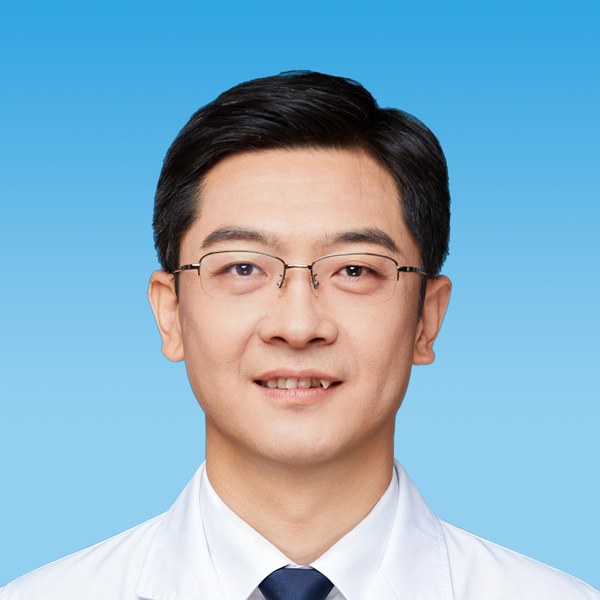
Shaoliang Wang, MD (王韶亮)
Nasal Reconstruction · Center Director
Center Director and lead physician of this site’s nasal reconstruction content; scar revision, skin tumour excision with margin control, complex wound reconstruction and repair of failed surgery from elsewhere, with 20+ years of tertiary-hospital surgical experience.
View profile →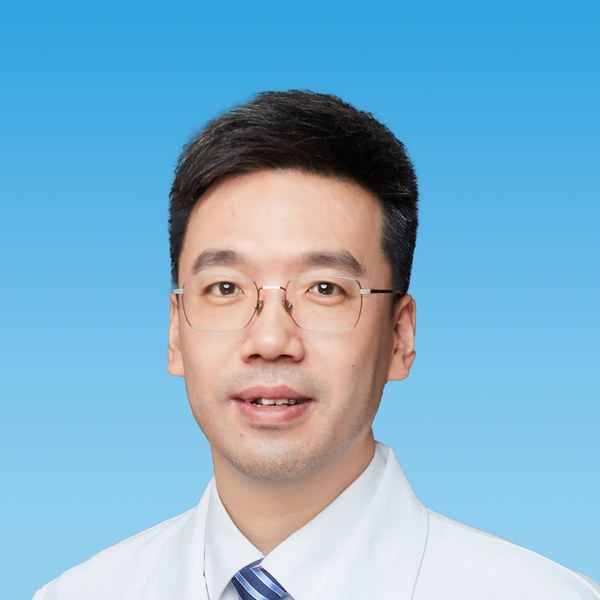
Tongchun Mao, MD (毛彤春)
Aesthetic Surgery · Deputy Director
Deputy Director and head of aesthetic surgery; detailed facial-feature surgery and repair, and aesthetic closure principles applied to reconstructive excisions.
View profile →
Ke He, MD (何锞)
Skin & Laser Aesthetics · Deputy Director
Head of skin and laser aesthetics; leads scar prevention and laser scar management after reconstruction, and optimizes skin quality before and after surgery.
View profile →
Yongbo Jia, MD (贾勇波)
Dermatology · Deputy Director
Head of dermatology; preoperative skin assessment, skin tumour triage, and the dermatologic aftercare that reconstructed skin depends on.
View profile →Nasal reconstruction, explained honestly
Start with the basics: the anatomy that makes the nose hard to rebuild, what each technique can and cannot achieve, the scars and stages it costs, the risks worth knowing, and what long-term follow-up looks like.
Nasal Anatomy and Why the Nose Is the Hardest Facial Unit to Rebuild
The three layers of the nose, lining, support and cover, plus the aesthetic subunits, and why rebuilding this small structure is one of the hardest problems in facial reconstruction.
Read the guide →What Causes a Nasal Defect
Cancer excision, trauma, infection and congenital absence all create nasal defects, and the cause changes the timing, the layers involved and the whole plan.
Read the guide →The Reconstructive Ladder Applied to the Nose
From skin graft to composite free flap: how surgeons choose the simplest repair that will work, and why the simplest option is not always the right one.
Read the guide →Forehead Flap Nasal Reconstruction
The workhorse of nasal reconstruction: how a forehead flap works, its stages, the temporary pedicle, and the honest cost of a donor-site scar.
Read the guide →Local Nasal and Nasolabial Flaps
When a smaller flap is enough: bilobed, dorsal nasal, nasolabial and cheek advancement flaps, and the nasal defects each one suits.
Read the guide →Full-Thickness Nasal Defects: Rebuilding Lining, Support and Cover
When all three layers of the nose are lost, reconstruction must restore the airway lining, the structural framework and the skin cover, usually in stages over months.
Read the guide →We will not sell you certainty we do not have
No surgeon can promise a nose that matches the one you had, an invisible scar, or that one operation will solve everything. Nasal reconstruction is measured in months and often in more than one operation. Our job is to help you decide with your eyes open — including about the forehead scar a flap leaves behind, and about the revision that may still be wanted at a year.
Ready to discuss your nasal reconstruction?
Reach out for a consultation. We will assess which layers of the nose are affected, explain the staged options honestly, and plan reconstruction around your airway, your tissue and your life.
Part of Nose Surgery — 17 sites on this topic